



 |
| 3D Picture of Subhaditya Science News Room |
Science News This Week:
1) Scientists Map the Genomic Blueprint of the Heart:
 |
| Scientists Map the Genomic Blueprint of the Heart: |
Scientists at the Gladstone Institutes have revealed the precise order and timing of hundreds of genetic "switches" required to construct a fully functional heart from embryonic heart cells -- providing new clues into the genetic basis for some forms of congenital heart disease.
In a study being published online today in the journal Cell, researchers in the laboratory of Gladstone Senior Investigator Benoit Bruneau, PhD, employed stem cell technology, next-generation DNA sequencing and computing tools to piece together the instruction manual, or "genomic blueprint" for how a heart becomes a heart. These findings offer renewed hope for combating life-threatening heart defects such as arrhythmias (irregular heart beat) and ventricular septal defects ("holes in the heart").
"Congenital heart defects are the most common type of birth defects -- affecting more than 35,000 newborn babies in the United States each year," said Dr. Bruneau, who is the associate director of cardiovascular research at Gladstone, an independent and nonprofit biomedical-research organization. "But how these defects develop at the genetic level has been difficult to pinpoint because research has focused on a small set of genes. Here, we approach heart formation with a wide-angle lens by looking at the entirety of the genetic material that gives heart cells their unique identity."
The news comes at a time of emerging importance for the biological process called "epigenetics," in which a non-genetic factor impacts a cell's genetic makeup early during development -- but sometimes with longer-term consequences. All of the cells in an organism contain the same DNA, but the epigenetic instructions encoded in specific DNA sequences give the cell its identity. Epigenetics is of particular interest in heart formation, as the incorrect on-and-off switching of genes during fetal development can lead to congenital heart disease -- some forms of which may not be apparent until adulthood.
In this research -- conducted in large part at Gladstone's Roddenberry Center for Stem Cell Biology and Medicine, as well as in collaboration with the laboratory of Laurie Boyer, PhD, at the Massachusetts Institute of Technology -- the scientists took embryonic stem cells from mice and reprogrammed them into beating heart cells by mimicking embryonic development in a petri dish. Next, they extracted the DNA from developing and mature heart cells, using an advanced gene-sequencing technique called ChIP-seq that lets scientists "see" the epigenetic signatures written in the DNA.
"But simply finding these signatures was only half the battle -- we next had to decipher which aspects of heart formation they encoded," said Jeffrey Alexander, a Gladstone and UCSF graduate student and one of the paper's lead authors. "To do that, we harnessed the computing power of the Gladstone Bioinformatics Core. This allowed us to take the mountains of data collected from gene sequencing and organize it into a readable, meaningful blueprint for how a heart becomes a heart."
The team made some unexpected discoveries. They found that groups of genes appear to work together in heart cells in a coordinated fashion -- switching on and off as a group at designated times during embryonic development. The scientists not only identified a whole host of new genes involved in heart formation, but they also refined exactly how these newly discovered genes interact with previously known genes.
The human-health implications of mapping the genomic blueprint of the heart are far reaching. Now that scientists understand how these genes control the heart, they can begin to piece together how heart disease disrupts this regulation. Eventually, they can look for therapies to prevent, interrupt or counteract those disruptions in children who suffer from congenital heart disease.
"Our findings reveal new clues as to how complex genetic and epigenetic patterns are precisely regulated during heart formation," said Dr. Boyer. "In particular, our identification of key segments of the genome that contribute to this process will hopefully allow us to identify the genetic causes of many forms of congenital heart disease -- an important first step in the fight against this devastating disease."
"Next, we hope to examine the DNA of patients living with congenital heart disease, in the hopes that we can pinpoint the specific genetic disruption that caused their heart defect," said Dr. Bruneau, who is also a professor of pediatrics at the University of California, San Francisco, with which Gladstone is affiliated. "Once we identify that disruption, we can begin exploring ways to restore normal gene function during early heart formation -- and reduce the number of babies born with debilitating, and sometimes fatal, congenital heart defects."
2) Study of Giant Viruses Shakes Up Tree of Life:
 |
| Study of Giant Viruses Shakes Up Tree of Life: |
A new study of giant viruses supports the idea that viruses are ancient living organisms and not inanimate molecular remnants run amok, as some scientists have argued. The study may reshape the universal family tree, adding a fourth major branch to the three that most scientists agree represent the fundamental domains of life.
About five years ago, biologists were surprised by the first discovery of an extremely large virus. Viruses are generally stripped down, efficient predators, only carrying as much DNA or RNA necessary to hijack their host and make extra copies of themselves. The newly discovered virus, called Mimivirus, was anything but stripped down; it carried a genome nearly the size of some bacterial species. And, instead of simply hijacking its host, the viral genome carried a lot of genes that replaced basic cellular functions, including some involved in DNA repair and the maufacturing of proteins.
The new findings appear in the journal BMC Evolutionary Biology.
The researchers used a relatively new method to peer into the distant past. Rather than comparing genetic sequences, which are unstable and change rapidly over time, they looked for evidence of past events in the three-dimensional, structural domains of proteins. These structural motifs, called folds, are relatively stable molecular fossils that -- like the fossils of human or animal bones -- offer clues to ancient evolutionary events, said University of Illinois crop sciences and Institute for Genomic Biology professor Gustavo Caetano-Anollés, who led the analysis.
"Just like paleontologists, we look at the parts of the system and how they change over time," Caetano-Anollés said. Some protein folds appear only in one group or in a subset of organisms, he said, while others are common to all organisms studied so far.
"We make a very basic assumption that structures that appear more often and in more groups are the most ancient structures," he said.
Most efforts to document the relatedness of all living things have left viruses out of the equation, Caetano-Anollés said.
"We've always been looking at the Last Universal Common Ancestor by comparing cells," he said. "We never added viruses. So we put viruses in the mix to see where these viruses came from."
The researchers conducted a census of all the protein folds occurring in more than 1,000 organisms representing bacteria, viruses, the microbes known as archaea, and all other living things. The researchers included giant viruses because these viruses are large and complex, with genomes that rival -- and in some cases exceed -- the genetic endowments of the simplest bacteria, Caetano-Anollés said.
"The giant viruses have incredible machinery that seems to be very similar to the machinery that you have in a cell," he said. "They have complexity and we have to explain why."
Part of that complexity includes enzymes involved in translating the genetic code into proteins, he said. Scientists were startled to find these enzymes in viruses, since viruses lack all other known protein-building machinery and must commandeer host proteins to do the work for them.
In the new study, the researchers mapped evolutionary relationships between the protein endowments of hundreds of organisms and used the information to build a new universal tree of life that included viruses. The resulting tree had four clearly differentiated branches, each representing a distinct "supergroup." The giant viruses formed the fourth branch of the tree, alongside bacteria, archaea and eukarya (plants, animals and all other organisms with nucleated cells).
The researchers discovered that many of the most ancient protein folds -- those found in most cellular organisms -- were also present in the giant viruses. This suggests that these viruses appeared quite early in evolution, near the root of the tree of life, Caetano-Anollés said.
The new analysis adds to the evidence that giant viruses were originally much more complex than they are today and experienced a dramatic reduction in their genomes over time, Caetano-Anollés said. This reduction likely explains their eventual adoption of a parasitic lifestyle, he said. He and his colleagues suggest that giant viruses are more like their original ancestors than smaller viruses with pared down genomes.
The researchers also found that viruses appear to be key "spreaders of information," Caetano-Anollés said.
"The protein structures that other organisms share with viruses have a particular quality, they are (more widely) distributed than other structures," he said. "Each and every one of these structures is an incredible discovery in evolution. And viruses are distributing this novelty," he said.
Most studies of giant viruses are "pointing in the same direction," Caetano-Anollés said. "And this study offers more evidence that viruses are embedded in the fabric of life."
Image Description:
Giant viruses should be included reconstructions of the tree of life, researchers report in a new study. The mimivirus, shown here (small black hexagons) infecting an amoeba, is as big as some bacterial cells and shares some ancient protein structures with most organisms.
3) Looking at You: Face Genes Identified; Five Genes Have Been Found to Determine Human Facial Shapes :
 |
| Looking at You: Face Genes Identified; Five Genes Have Been Found to Determine Human Facial Shapes : |
Five genes have been found to determine human facial shapes, as reported by researchers from the Netherlands, Germany, Canada, the United Kingdom, and Australia in the open-access journal PLoS Genetics
Monozygotic twins have almost identical faces and siblings usually have more similar faces than unrelated people, implying that genes play a major role in the appearance of the human face. However, almost nothing is known about the genes responsible for facial morphology in humans.
This study, carried out on behalf of the International Visible Trait Genetics (VisiGen) Consortium, used head magnetic resonance images together with portrait photographs to map facial landmarks, from which facial distances were estimated. The researchers then applied a genome-wide association (GWA) approach, with independent replication, to finding DNA variants involved in facial shapes in almost 10,000 individuals.
Three of the five genes identified have been implicated previously by other approaches in vertebrate craniofacial development and disease; of these three, one was reported to be involved in facial morphology in a GWA study on children published earlier this year. The remaining two genes potentially represent completely new players in the molecular networks governing facial development.
Professor Manfred Kayser from the Erasmus University Medical Center, Rotterdam, The Netherlands, the leading author of the study, said: "These are exciting first results that mark the beginning of the genetic understanding of human facial morphology. Perhaps some time it will be possible to draw a phantom portrait of a person solely from his or her DNA left behind, which provides interesting applications such as in forensics. We already can predict from DNA certain eye and hair colours with quite high accuracies."
4) Neural Implant Recovers Ability to Make Decisions, Monkey Study Shows:
 |
| Neural Implant Recovers Ability to Make Decisions, Monkey Study Shows: |
Researchers have taken a key step towards recovering specific brain functions in sufferers of brain disease and injuries by successfully restoring the decision-making processes in monkeys.
By placing a neural device onto the front part of the monkeys' brains, the researchers, from Wake Forest Baptist Medical Centre, University of Kentucky and University of Southern California, were able to recover, and even improve, the monkeys' ability to make decisions when their normal cognitive functioning was disrupted.
The study, which has been published today (Sept. 14) in IOP Publishing's Journal of Neural Engineering, involved the use of a neural prosthesis, which consisted of an array of electrodes measuring the signals from neurons in the brain to calculate how the monkeys' ability to perform a memory task could be restored.
In the delayed match-to-sample task an image was flashed onto a screen and, after a delay, the monkeys were prompted to select the same image on the screen from a sampling which included 1-7 other images. Five monkeys (all rhesus, Macaca mulatta) were involved in the experiment and were trained for two years to perform to a 70-75 per cent proficiency in the task.
The movement of the monkeys' arms were tracked with a camera and translated to movements of the cursor on the screen; they were awarded with a drop of juice when they correctly matched an image.
The prosthesis was placed into two cortical layers -- L2/3 and L5 -- of the brain and recorded brain activity within structures known as minicolumns in the prefrontal cortex area.
Once it was confirmed that minicolumn communication between layers L2/3 and L5 was involved in decision making, it was suppressed by administering the dopamine-modifying drug, cocaine, to the monkeys. The task was performed again but this time the researchers deployed a 'multi-input multi-output nonlinear' (MIMO) model to stimulate the neurons that were used in the task.
"The MIMO model is a specific type of calculation which looks for the complex mathematical relationship between an input (L2/3) and an output (L5). In the case of neural activity, the output is typically the pattern of firing of individual neurons during the task.
"Inputs to that pattern may be blood flow, temperature, the electrical activity of other neurons, and even the prior electrical activity of the same cell," said lead author of the study Professor Robert Hampson.
By recording the inputs from layer L2/3 neurons, the MIMO model could predict the output of layer L5 neurons and thus, through the electrodes, electrically stimulate the same necessary L5 neurons. The results showed that the MIMO model was exceedingly effective in recovering performance of the task and was even able to improve performance under normal conditions.
"The reason the MIMO model was effective in improving performance in the task was because we specifically 'tuned' the model to analyze the firing of neurons that occurred when the animals correctly performed the behavioral task; the brain doesn't always produce the full 'correct' pattern on every trial," said senior author Professor Sam Deadwyler.
On the utilization of this method in the treatment of human brain conditions, Professor Deadwyler continued: "In the case of brain injury or disease where larger areas are affected, the system would record the inputs to that area from other areas and, when they occur, program the delivery of the appropriate output patterns to brain regions that normally receive signals from the injured area, thereby restoring lost brain function."
5) Shy, colorful new monkey species discovered :
 |
| Shy, colorful new monkey species discovered |
A shy, brightly colored monkey species has been found living in the lush rainforests at the heart of the Democratic Republic of Congo, a find that utterly surprised the researchers who came upon it.
"When I first saw it, I immediately knew it was something new and different -- I just didn't know how significant it was," said John Hart, a veteran Congo researcher who is scientific director for the Lukuru Wildlife Research Foundation, based in Kinshasa.
In fact, the find was something of a happy accident. Hart first spied the suspect monkey in 2007 while sifting through photographs brought back from a recently concluded field expedition to a remote region of central DRC.
Yet the image that caught his eye hadn't been taken in the field. It was snapped in a village, and showed a young girl named Georgette with a tiny monkey that had taken a shine to the 13-year-old
What is that?
It was a gorgeous animal, Hart said, with a blond mane and upper chest, and a bright red patch on the lower back. "I'd never seen that on any animal in the area, so right away I said, 'Hmmm,'" he told OurAmazingPlanet.
Hart decided to get to the bottom of the mystery. Fast forward through five years of field work, genetic research and anatomical study, and today (Sept. 12) Hart and a list of collaborators formally introduced to the world a new primate species, dubbed Cercopithecus lomamiensis, and known locally as the lesula. Their work is announced in the online journal PLOS One.
It turned out that the little monkey that hung around Georgette's house had been brought to the area by the girl's uncle, who had found it on a hunting trip. It wasn't quite a pet, but it became known as Georgette's lesula. The young female primate passed its days running in the yard with the dogs, foraging around the village for food, and growing up into a monkey that belonged to a species nobody recognized.
Further investigation revealed the full story of the strange monkey. It turned out that C. lomamiensis, a cryptic, skittish primate, roams a swath of dense rainforest some 6,500 square miles (17,000 square kilometers).
"For a big mammal to go unnoticed is pretty unusual," said Kate Detwiler, a primatologist and assistant professor at Florida Atlantic University, and an author on the paper. Yet one visit to the area that the lesula calls home reveals why the monkeys escaped scientific notice for so long, Detwiler told OurAmazingPlanet. This region of the DRC is remote and vast.
The trees tower overhead, blocking out the sun, and the forest floor -- the chief domain of the lesula -- is steeped in a permanent gloom. The forest is full of sounds. At first light, the lesulas raise a lilting chorus of booming calls, distinct from the cries of their monkey neighbors who pass their lives in the trees high above the forest floor; at dusk, the cries of African grey parrots echo through the canopy. The earth is wet and soft, and feet sink into the ground with each step. There is a gentle, steady thud as fruit falls from the trees.
One gets the feeling of being on a ship very far out to sea, Detwiler said - only here, the ocean is the endless expanse of the trees. "I felt so privileged to be there," she said. "I wish everybody could have that experience."
Blue buttocks
The lesulas live in this isolated region in groups up to five strong, and feeds on fruit and leafy plants. The males weigh up to 15 pounds (7 kilograms), about twice the size of the females. They also have some rather arresting anatomical features."They have giant blue backsides," Hart said. "Bright aquamarine buttocks and testicles. What a signal! That aquamarine blue is really a bright color in forest understory." "So in terms of monkey viewing, females can definitely find males," Detwiler said."We don't really know what this means because it's very uncommon for monkeys in this lineage," she added.The only other monkey to share this feature is the lesula's closest cousin -- the owl-faced monkey, a species that lives farther east. At first it was thought the monkeys were close kin, but genetic analysis suggests the two species split from a common ancestor about 2 million years ago.
Now that the new species has been formally identified, Hart said, the next task is to save it. Although the lesula is new to science, it is a well-established sight on the dinner table.
What's for dinner
There's a thriving market for bush meat, particularly in urban areas, Hart said, and the monkeys are just one of dozens of species, from snakes to elephants to apes, that are targeted."People have disposable income, and this is the cheapest meat," he said. "Bush meat is a go-to item because it's less expensive than chicken or beef. This is not a new problem, but it's a problem that doesn't have a solution yet."Hart and his wife, Terese, are partnering with local people to try to set up a national park in the lesulas' territory, but it's still a work in progress. In the meantime, researchers have set up camera traps in the dense forest to try to better understand the habits of the shy animals.
Georgette, the girl whose lesula companion started it all, is now 18. "The animal was very attached to her," Hart said. But one day the monkey disappeared."It was suspected that somebody in town had taken it in," Hart said. "And it ended up in their cooking pot."
 |
| 3D Picture of Subhaditya Sports News Room |
Sports News This Week:
 |
| U.S. Open Tennis 2012: |
1) U.S. Open Tennis 2012: Breaking Down Best Moments of Andy Murray's 1st Major Win:
 |
| Breaking Down Best Moments of Andy Murray's 1st Major Win: |
Andy Murray’s five-set victory over Novak Djokovic to win the 2012 U.S. Open men’s singles title was one for the ages. The four-hour, 54-minute affair—tied for the longest final in the history of the Open—was full of terrific moments.
As entertaining as the match was to watch, Murray’s first major title will be remembered for what it represented as well as the tremendous on-court play.
Tennis fans have four months before the next Grand Slam event to contemplate what Murray’s victory means for his career and for the future of men’s tennis. Here are a few of the best moments from Monday’s final that will keep people talking through the beginning of the 2013 Australian Open in January.
2) Serena Williams holds the championship trophy after beating Victoria Azarenka, of Belarus:
 |
| Serena Williams holds the championship trophy after beating Victoria Azarenka, of Belarus: |
Serena Williams holds the championship trophy after beating Victoria Azarenka, of Belarus, in the championship match at the 2012 US Open tennis tournament, Sunday, Sept. 9, 2012, in New York. Two points from defeat, Williams suddenly regained her composure to come back and win the last four games, beating No. 1-ranked Azarenka 6-2, 2-6, 7-5 on Sunday for her fourth U.S. Open title and 15th Grand Slam title overall.
3) Asian players dominate ICC one-day team of the year:
 |
| Mahendra Singh Dhoni |
Seven Asian players including India captain Mahendra Singh Dhoni and Sri Lanka's wicketkeeper-batsman Kumar Sangakkara were selected in the International Cricket Council's one-day team of the year on Friday.
Dhoni, who was included in the team for a fifth year in succession, was named captain.India's Virat Kohli and Gautam Gambhir, Sri Lankan fast bowler Lasith Malinga, Pakistan spinner Saeed Ajmal and all rounder Shahid Afridi were also named in the team.
England captain Alastair Cook and paceman Steven Finn, Australian skipper Michael Clarke and South African fast bowler Morne Morkel completed the line-up.
"This team, along with the test team of the year was extremely difficult to decide upon, but we feel the side has strength to bat well down the order while also having a good variety for any type of conditions when it comes to its bowling attack," former West Indies captain Clive Lloyd, the chairman of the ICC Awards selection panel, said.
 |
| 3D Picture of Subhaditya Political News Room |
Political News This Week:
1) Mamata sets 72-hour deadline for rollback in FDI, fuel:
 |
| Mamata sets 72-hour deadline for rollback in FDI, fuel: |
Strongly opposing major reforms announced by the Centre, key United Progressive Alliance constituent Trinamool Congress on Friday set a 72-hour deadline to the government to withdraw decision on multi-brand retail and diesel price hike.
The party has decided to convene an urgent meeting on the issue on Tuesday to "take a tough decision" after the Centre's decision to allow 51 per cent FDI in multi-brand retail and hike of Rs 5 in diesel price.
The TMC parliamentary party will meet on Tuesday, party leader and Railway Minister Mukul Roy said in Kolkata "A tough decision will be taken," he said. He said the party was opposed to allowing FDI in multi-brand retail, a decision regarding which was taken by the Union cabinet at a meeting in which he was not present.
"I came to know about the decision of the cabinet to allow FDI in multi-brand retail... We are opposed to FDI and we will oppose," Roy said.
 |
| United Progressive Alliance's |
His party colleague and MP Kunal Ghose said, "Trinamool Congress is strongly opposing the cabinet decision to allow FDI in multi-brand retail. We are not in agreement with the decision."
"The Trinamool Congress is registering its strong protest, but the Congress-led government at the Centre is taking anti-people policies," he added.
United Progressive Alliance's outside supporter Janata Dal-Secular also was angry at the government's decision on multi-brand retail, terming it as "anti-people" and threatening to withdraw its outside support for the central government.
Senior JD-S leader Danish Ali said the national executive of the party, which has three MPs in Lok Sabha, will meet soon to "review" the support given to the UPA government from outside.
The Bharatiya Janata Party also attacked the government, saying the "hurried" decision had been taken under foreign pressure and it will affect the livelihood of five crore Indians involved in retail trade.
2) Speculation rife over Rane as next Maharashtra CM:
 |
| Speculation rife over Rane as next Maharashtra CM: |
Maharashtra Industries Minister Narayan Rane on Friday triggered speculation about a change of guard in the state following his meeting with Congress President Sonia Gandhi in New Delhi .
Government sources informed rediff.com that Chief Minister Prithviraj Chavan will most probably step down from his post on Sunday, and Rane is likely to take over. A Congress source said Rane will be sworn-in before Ganesh Chaturthi, which falls on September 19.
When asked about his interaction with the Congress president, Rane merely quipped that it was "a fruitful meeting".
Sorces say that Chavan could find himself in the Rajya Sabha, filling up the seat left vacant by the late Science and Technology Minister Vilasrao Deshmukh If elected, he would have a three-year term till August 2015, the residual term left on Deshmukh's RS seat.
There is also the likelihood of Chavan being accommodated in the Union cabinet when it is reshuffled.Sources say Chavan, a confidant of Prime Minister Manmohan Singh could be considered for the petroleum ministry.
3) Former Pak PM Gilani's son arrested for scam, gets bail:
 |
| Former Pak PM Gilani |
Pakistan's former premier Yusuf Raza Gilani's son Ali Musa was on Friday arrested and briefly detained by the army-run Anti-Narcotics Force in connection with alleged irregularities in the import of the controlled drug Ephedrine, before he was granted bail by the apex court.
Click here!
Ali Musa was arrested at the gates of the Supreme Court when he arrived on Friday morning to seek pre-arrest bail. He was taken to an ANF office in Rawalpindi and detained in a room.
Following his arrest, a three-judge bench headed by Justice Nasir-ul-Mulk directed the ANF to produce Ali Musa within half an hour.ANF officials brought Ali Musa back to the apex court shortly before 11 am and the bench granted him bail against a surety of Rs 5,00,000.
The apex court then adjourned the case till September 25.
Ali Musa has been accused of influencing officials of the health ministry to allocate Ephedrine quotas of 9,000 kg to two pharmaceutical companies while his father was the premier.After his father was convicted of contempt and disqualified by the apex court in June for not reopening graft cases against President Asif Ali Zardari Ali Musa was elected to the parliament from his father's seat.
Gilani has said his son was framed in a baseless case.He also accused army officials, who lead the ANF, of exceeding their powers in investigating the matter.
Footage on television showed uniformed personnel of the ANF grabbing Ali Musa's coat and dragging him out his car when he arrived at the Supreme Court on Friday morning. His lawyers complained about the behaviour of ANF personnel to the apex court.
4) Coal-gate comes under SC scrutiny, Centre's plea dumped:
 |
| Supreme Court directing the Centre to explain if the guidelines were strictly followed in allotting the natural resource to private companies. |
The alleged irregularities in the coal block allocations came under judicial scrutiny today with the Supreme Court directing the Centre to explain if the guidelines were strictly followed in allotting the natural resource to private companies.
Turning down the Centre's plea that the court should not go into the issue as it is being looked into by a Parliamentary committee, the apex court said "these are different exercises."
A bench of justices R M Lodha and A R Dave said the petition raised serious questions and "it requires explanation from the government".
"There is difference in exercise done by the Public Accounts Committee (PAC). Parliament and PAC can proceed with the issue on the basis of the CAG report. We don't want to encroach upon their exercise but the petition raises different things altogether. There are sufficient averments which require explanation from you," the court said.
The bench also made it clear that it is confining itself only to the aspect of guidelines formulated by the Centre for allocation of coal blocks.
The court passed the order while hearing a PIL filed by advocate M L Sharma on the alleged coal-gate scam.
The bench rejected Solicitor General Rohinton Nariman's contention that the petition based on the CAG report was "premature" and should not be entertained.
Saying that the report of a constitutional body like CAG can be relied upon, the bench directed the secretary of Union Coal Ministry to file a counter affidavit within eight weeks dealing with the several aspects involved in allocation of coal blocks.
The bench said the affidavit shall cover the guidelines framed by the government for the allocation of coal blocks.
- It said the secretary should also elaborate the process adopted for allocation of these coal blocks and whether the guidelines had an in-built mechanism to ensure that the allocation of coal blocks does not lead to distribution of largesse unfairly in the hands of few private companies.
The bench also sought to know whether the guidelines for allocation of coal blocks were strictly followed and whether by their allocation, the objectives of policies were realised.
The bench also sought the government's response on as to what were the hindrances for not following the policy of "competitive bidding" adopted by in 2004 for allocation of the coal blocks.
Lastly, the court wanted to know what steps were proposed to be taken against the allottees who have not adhered to the terms of allocation or have breached the agreement.
 |
| 3D Picture of Subhaditya Movie Release News Room |
Movie Release This Week:
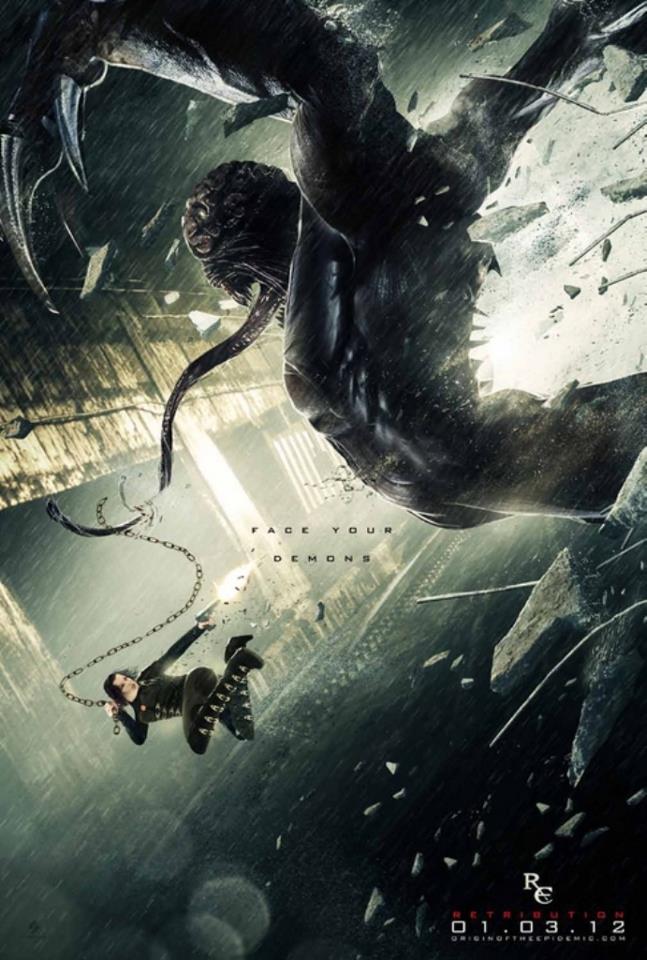 |
| Resident Evil: Retribution: |
1) Resident Evil: Retribution:
Alice fights alongside a resistance movement in the continuing battle against the Umbrella Corporation and the undead.
 |
| Stolen |
2) Stolen
A former thief frantically searches for his missing daughter, who has been kidnapped and locked in the trunk of a taxi.
 |
| After |
3) After
When two bus crash survivors awake to discover that they are the only people left in their small town, they must form an unlikely alliance in a race to unravel the truth behind their isolation. As strange events begin to unfold, they start to question whether the town they know so well is really what it seems.
 |
| Bangkok Revenge |
4) Bangkok Revenge
Manit (Jon Foo) witnessed the murder of his parents when he was just 10 years old. The killers shot him in the head, but he miraculously survived. However, the damage to his brain left him unable to experience regular human emotions. A martial arts master saved him and took him in. Twenty years later, Manit has become a master of martial arts himself. He returns to the scene of the crime, seeking justice.
 |
| Bad Karma |
5) Bad Karma
For Jack Molloy, crime was the only life he’s ever known. But when a life-changing event steers him onto the straight and narrow, he’ll soon realize that no one can truly escape their past. From the producers of I Spit On Your Grave and Flawless comes the action-suspense thriller, Bad Karma.


 Nature Magazine
 National Geographic
 Cartoon Games
 History Channel
 Online Movies
 Scientific American
 Filmfare Mag
 Online Britannica
 Time Mag
 Unexplained Mysteries


